
Leeds RF for suitable abdominal skin
Abdominal Radiofrequency Leeds
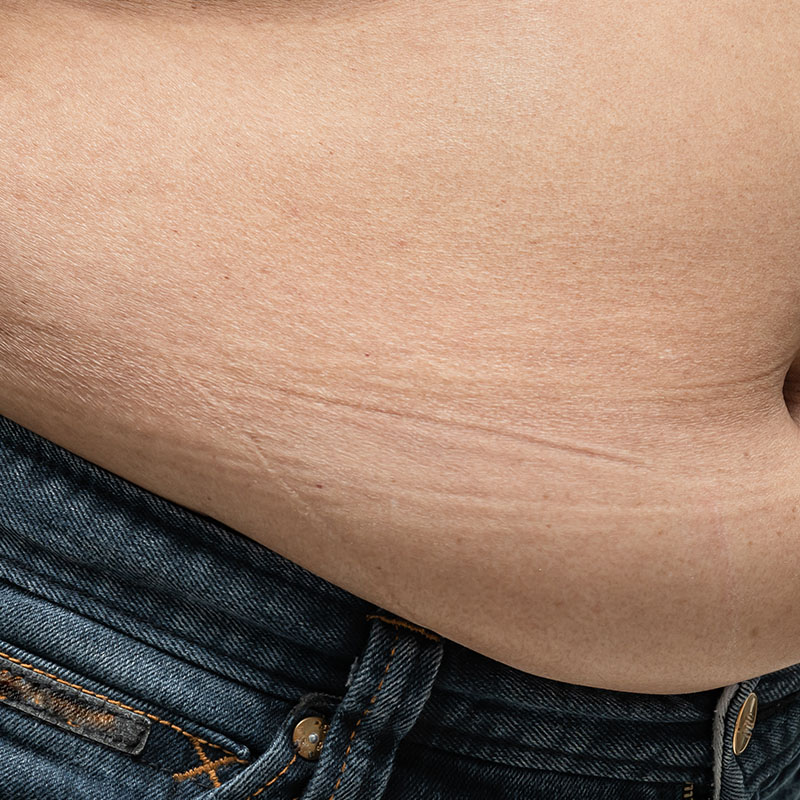
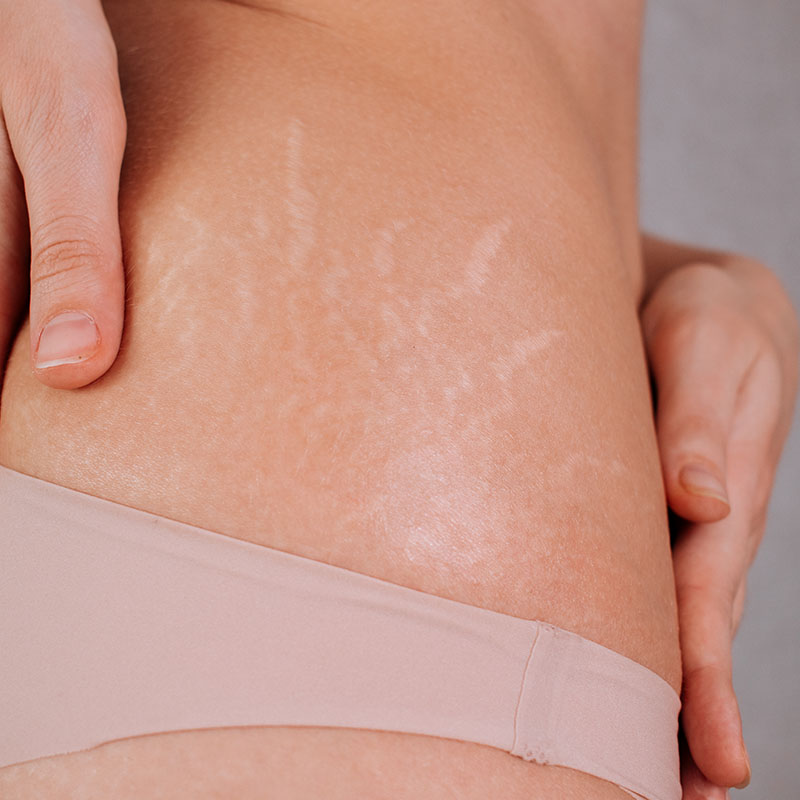
Abdominal radiofrequency uses a continuously moving handpiece to create monitored warmth, without surgery and without claiming to repair muscle or remove excess tissue.

The Leeds abdomen session
First define whether the concern is actually in the skin.
After consultation, the Leeds practitioner identifies the area, applies the contact product and passes the RF applicator over the skin while checking comfort and visible response. Settings are chosen for the equipment rather than copied from another body area.
Radiofrequency does not distinguish or diagnose a hernia, diastasis, visceral fat, a mass or another cause of abdominal change. If the concern is not mild cosmetic skin laxity, medical or physiotherapy assessment may be more appropriate.
Open the Leeds abdomen package
Changes after pregnancy can involve skin, fat, muscle or the pelvic floor.
Wait until medically appropriate after pregnancy and childbirth, and seek qualified assessment for pain, weakness, significant separation, pelvic-floor symptoms or a suspected hernia.
Make heat safety explicit
A course should never normalise pain.
The expected feeling is controlled warmth, not a burn. Temporary redness, sensitivity, tenderness, swelling or bruising may occur, while blistering, thermal injury and altered pigment are possible complications.
Mention every condition, medicine, implant and prior abdominal procedure, including surgery and pregnancy history. If treatment goes ahead, contact the Leeds team promptly about a reaction that gets worse rather than settles.
Review the Leeds packageLeeds live offer
Current abdominal RF package.
The package includes more than one treatment type. You receive a distinct suitability decision and explanation for each component before it is performed.
Clinic-feed information is cached for up to 24 hours. Price and availability may change, and included treatments can be omitted when unsuitable.
Before choosing treatment in Leeds
Use this page to prepare informed questions.
The guide provides general consumer information, not personal medical advice. Suitability and risk depend on individual circumstances as well as the named procedure, equipment, products and the competence of the person providing it.
Check the NHS cosmetic-procedure questionsVerify relevant competence
Ask about qualifications, practical experience, insurance and who is responsible for your assessment and treatment.
Plan for an unwanted effect
Find out what recovery normally looks like, which warning signs need attention and how follow-up or escalation is arranged.
Separate booking from consent
Online availability is commercial information only. Make the final decision after a suitable consultation and take more time if you need it.
Questions for the Leeds assessment
Abdominal radiofrequency FAQs.
Treatment should be postponed whenever the cause of an abdominal change or symptom is uncertain.
Contact the Leeds studioWill the treatment reduce abdominal fat?
This page does not promise fat loss, weight loss or a smaller waist. It describes radiofrequency applied for a cosmetic skin-appearance goal.
Can it repair diastasis after pregnancy?
No. Radiofrequency does not bring separated abdominal muscles back together. A GP or suitably qualified physiotherapist can assess muscle and pelvic-floor concerns.
How do I know whether a bulge is a hernia?
A cosmetic practitioner cannot confirm that for you. Seek medical assessment for a new bulge, lump, pain or unexplained change before booking device treatment.
Why might an implant matter?
Radiofrequency energy can make electronic or metal implants relevant depending on their location and the device. Bring accurate details so the practitioner can follow the manufacturer's exclusions.
Is three to six visits a guarantee of tightening?
No. That is a common proposed range, not a promise. A course should include a progress review and the option to stop if response or tolerance is poor.
What should I report after leaving?
Tell the Leeds team about increasing pain, heat, swelling, a blister, broken skin or colour change. Seek medical advice promptly if symptoms are severe, rapidly worsen or include abdominal pain.
Treat skin only when skin is the concern