Leeds Plasma Eye package
Upper or lower lids
Regular package value£530 Current Leeds offer£99
Sale Plasma Upper or Lower Lids £332
Free HIFU Upper Face Lift FREE£99
Free Supersonic Chin Reduction FREE£99
Eyelid-area plasma treatment in Leeds
This procedure creates a planned pattern of superficial plasma points near a suitable eyelid, followed by swelling, crusting and a recovery period that cannot be hidden in the small print.
How plasma points are made
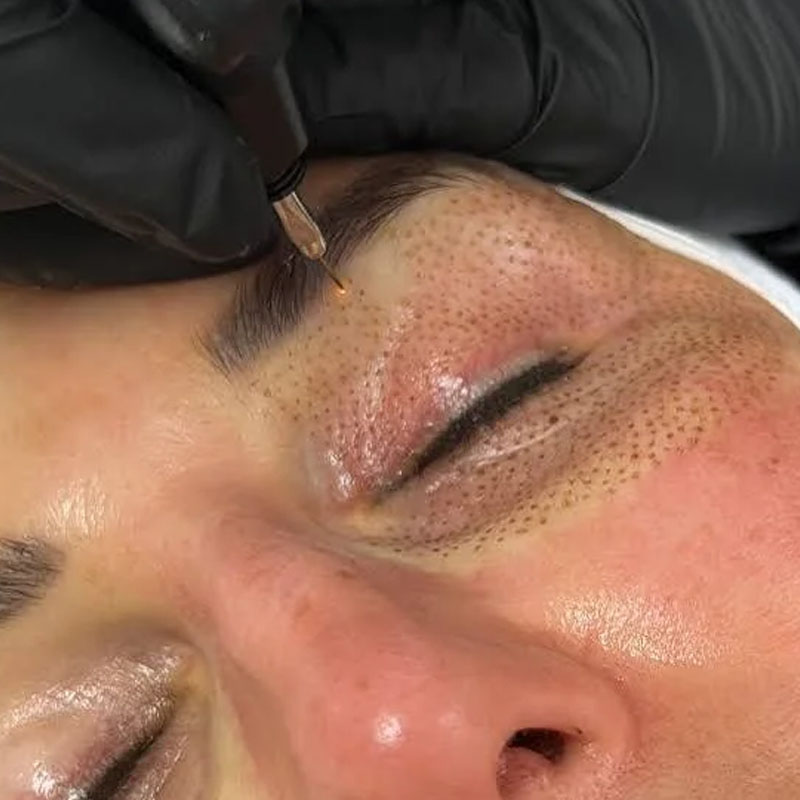
A small arc forms between the tip and skin, allowing the Leeds practitioner to place individual thermal points in the consented upper or lower eyelid zone after numbing cream has taken effect.
The procedure relies on a healing response. It should not be called risk-free, scar-free or equivalent to surgery, and it may not produce the degree or direction of cosmetic change you hope for.
Review upper and lower-lid options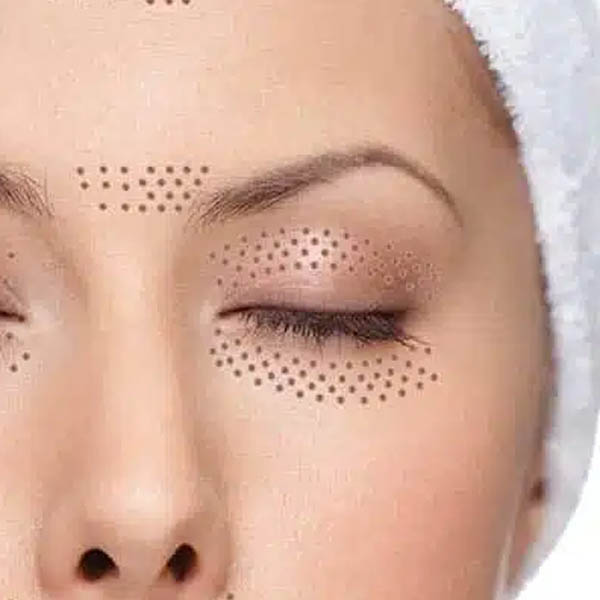
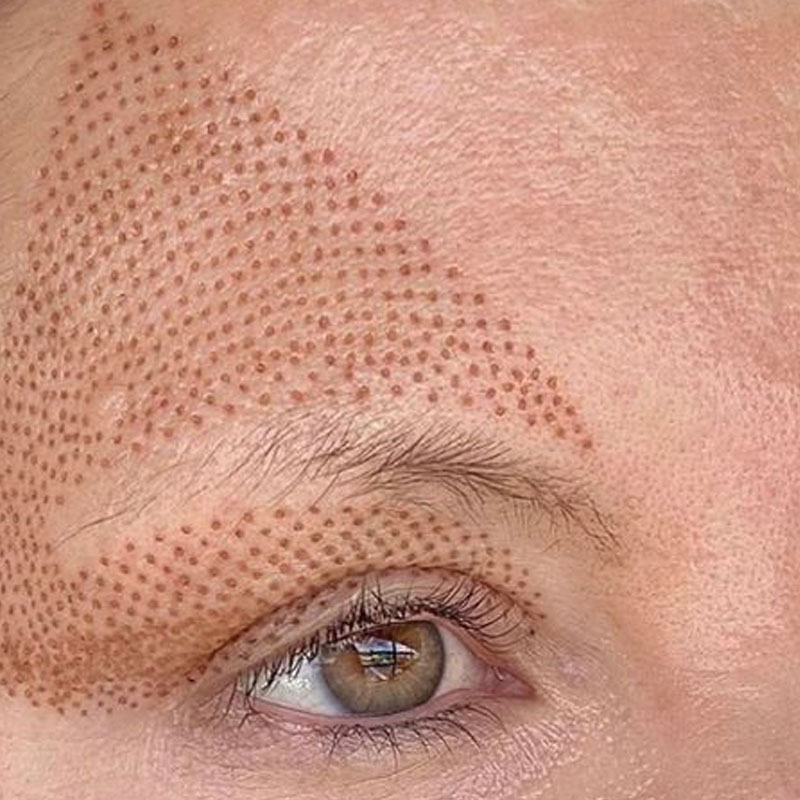
The eyelids can swell and the dotted crusts remain visible while they detach naturally. Follow the Leeds aftercare sheet exactly and avoid picking, rubbing and unapproved makeup or skincare.
A genuine choice between options
Mild cosmetic skin laxity is different from a drooping lid, visual-field obstruction, eye disease or marked skin excess. The latter concerns may require an optometrist, GP, ophthalmologist or surgeon rather than a non-surgical studio procedure.
Risk varies with skin tone, pigment response, scar history, health, medicines, sun exposure and prior eye work. Burns, infection, scarring and colour change can be lasting; a cautious practitioner may advise you not to proceed.
Compare the Leeds packagesLeeds seasonal pricing
Prices describe the package, not a recommendation. Area selection and included treatments are confirmed only after separate suitability checks.
The live feed can be up to 24 hours old. Availability and offers vary; an appointment reservation never guarantees that eyelid treatment will be appropriate.
Before choosing treatment in Leeds
The guide provides general consumer information, not personal medical advice. Suitability and risk depend on individual circumstances as well as the named procedure, equipment, products and the competence of the person providing it.
Check the NHS cosmetic-procedure questionsAsk about qualifications, practical experience, insurance and who is responsible for your assessment and treatment.
Find out what recovery normally looks like, which warning signs need attention and how follow-up or escalation is arranged.
Online availability is commercial information only. Make the final decision after a suitable consultation and take more time if you need it.
Leeds consent questions
The consultation should leave you able to explain the procedure, downtime, alternatives and complication plan in your own words.
Speak to the Leeds practitionerNone. A suitable eyelid area may change in appearance after healing, but the extent, symmetry and duration vary, and an unsatisfactory result is possible.
Blepharoplasty is surgery that can remove or reposition tissue. Plasma treatment makes superficial thermal points and cannot deliver the same range of correction or address every functional problem.
Plan for visible dots and potentially marked swelling, follow the cleansing instructions, avoid picking and protect the area as advised. Do not schedule around an important event without discussing recovery variability.
Skin tone and any history of post-inflammatory colour change need individual assessment because lasting hyperpigmentation or hypopigmentation is possible. Treatment may be declined.
Disclose eye disease or surgery, vision symptoms, skin conditions, cold sores, abnormal scars, allergies, pregnancy or breastfeeding, medicines, recent cosmetic work and tanning or sun exposure.
Use the clinic's urgent contact instructions for increasing pain, redness, heat, discharge or healing concerns. Visual change, severe eye pain, sudden marked swelling or breathing difficulty needs urgent medical help.
Understand first, decide second