
Leeds laser hair reduction
Full body
Usual course cost£399 Offer cost£99
Sale Full Body Laser Hair Removal £399
Leeds laser course planning
At Leeds, the proposed device and settings are matched to visible hair pigment, skin response and treatment area. A course can make suitable regrowth finer or less dense, but complete lifelong removal is not guaranteed.
Why repetition matters
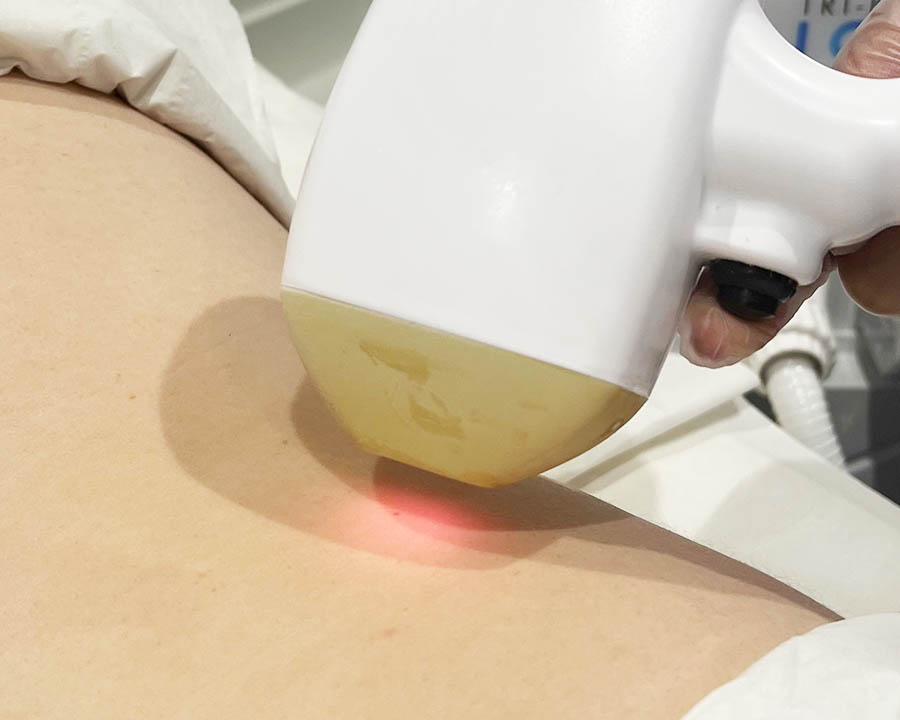
Laser energy targets melanin in a suitable hair during a responsive growth stage. Cooling and pulse settings aim to limit heat at the skin surface, but safe delivery depends on the wavelength, practitioner, skin tone and current condition.
Because the whole area is not in the same stage together, repeat visits are spaced around observed regrowth. A standard package is a starting estimate, not proof that a fixed number will be sufficient.
Compare Leeds courses
Tell the clinic about tanning, holidays, medicines, active skincare, rashes and any reaction since the patch test. Postponing is safer than treating skin that no longer matches the tested condition.
What success looks like
Treated hairs shed over time rather than vanishing during the appointment. Later regrowth may be sparser or finer; hormones, hair density, colour, anatomy and adherence to timing all influence what you see.
Brief snapping heat can be normal, but strong escalating pain should be reported during treatment. Afterwards, follow instructions on cooling, products, exercise and sun protection, and do not pick blisters or crusting if a reaction occurs.
Check Leeds package detailsLeeds course pricing
‘Full face’ and ‘full body’ can mean different things between clinics. Review included and excluded zones, the course length, patch-test arrangements and any maintenance cost before paying.
The booking feed is cached for 24 hours. Packages and offers may change; treatment can be delayed or stopped when skin condition, medicines or patch-test response make it unsafe.
Before choosing treatment in Leeds
The guide provides general consumer information, not personal medical advice. Suitability and risk depend on individual circumstances as well as the named procedure, equipment, products and the competence of the person providing it.
Check the NHS cosmetic-procedure questionsAsk about qualifications, practical experience, insurance and who is responsible for your assessment and treatment.
Find out what recovery normally looks like, which warning signs need attention and how follow-up or escalation is arranged.
Online availability is commercial information only. Make the final decision after a suitable consultation and take more time if you need it.
Planning a Leeds course
Use consultation to ask which wavelength is proposed, what evidence supports the schedule and how complications are handled.
Contact LeedsIt observes a small treated site after proposed settings. It can reveal an adverse response and guide adjustment, but it does not guarantee that a large area or every later visit will react identically.
Usually not, because waxing and plucking remove the pigmented hair shaft the laser needs to target. Shaving is commonly advised, but follow the timing in your own clinic instructions.
Fine or lightly pigmented hair may respond poorly and facial treatment carries a reported risk of paradoxical stimulation. The practitioner should be willing to advise against laser when the target is unsuitable.
Sensation varies by area and setting and is often compared with heat or a brief snap. Cooling can help, but ‘pain-free’ should not be promised and sharp sustained pain must be reported.
Laser heat can injure skin pigment as well as the follicle, particularly when settings, wavelength or recent tanning are unsuitable. Either darker or lighter patches can occur and may persist.
No. Cosmetic laser does not explain why hair is growing. Sudden or marked growth, cycle changes or virilising symptoms need medical assessment rather than simply a larger package.
Everyone in the controlled treatment area needs wavelength-appropriate eye protection. Do not remove it during a session; any accidental exposure or visual symptom requires immediate reporting and urgent specialist advice.
Patch first, reassess throughout